MEDITATION & QIGONG
Your mind does not have to follow every thought. Your body does not have to carry every tension.
Meditation develops awareness. Qigong connects breath, movement, and attention.
Together, they train you to slow down, stay present, and respond with intention instead of reacting automatically.
THE MIND NEEDS TRAINING
Your mind is always working. Thoughts come and go. Emotions rise. Distractions compete for your attention.
Most people spend their days reacting to whatever enters their mind without realizing they have a choice.
Meditation changes that.
The goal is not to stop thinking. The goal is to become aware of your thoughts without automatically following them.
Qigong builds on that awareness by bringing the body into the practice. Through controlled movement, natural breathing, and focused attention, you learn to bring the mind and body back into the present moment.
You cannot always control what enters your mind. You can train how you respond to it.
MEDITATION: STILLNESS & AWARENESS
Meditation is not about emptying your mind. It is about learning to observe what happens inside it.
Thoughts will appear. Emotions will rise. Your attention will wander. None of that means you are doing it wrong.
The practice is simple: notice where your attention goes, recognize when it drifts, and gently bring it back.
Every time you return your attention, you strengthen your ability to stay present instead of being controlled by distractions.
You are not trying to escape your thoughts. You are learning that you do not have to follow every one of them.
Awareness creates the space to choose your response.
HOW TO PRACTICE MEDITATION
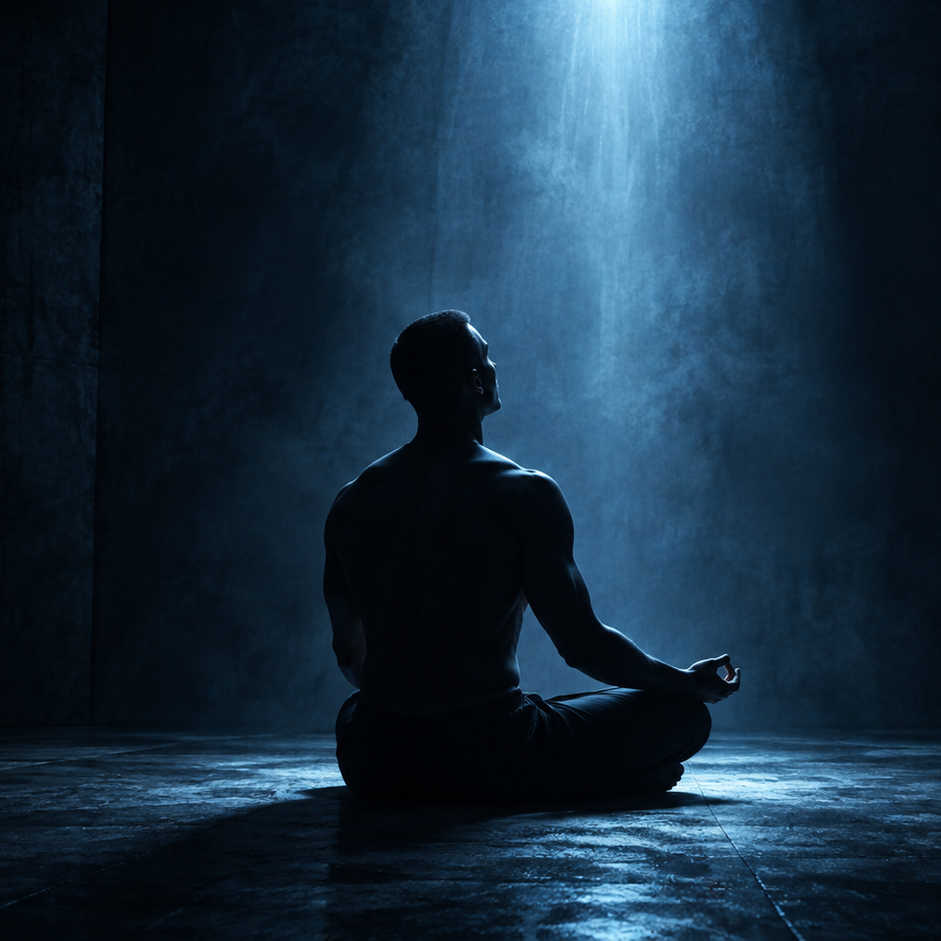
You do not need special equipment, complete silence, or years of experience. Start with five minutes. The purpose is not to achieve perfect stillness. It is to practice awareness and learn to return your attention when it wanders.

STEP 1 — BE STILL
Find a quiet place where you can sit comfortably. Keep your back naturally upright, relax your shoulders, and rest your hands.
Close your eyes or soften your gaze.
You do not need to force stillness. Simply allow yourself to settle into the present moment.

STEP 2 — OBSERVE
Bring your attention to your natural breathing.
Notice the air entering and leaving your body. Feel your chest or abdomen rise and fall.
Thoughts will appear. Sounds will distract you. Emotions may surface.
Observe them without judgment. You do not need to fight or follow them.

STEP 3 — RETURN
When you realize your attention has wandered, gently bring it back to your breathing.
Do this as many times as necessary.
Do not get frustrated. The moment you recognize distraction and return to awareness is part of the training.
The goal is not to never lose focus. The goal is to keep returning.
CONSISTENCY CREATES CONTROL
Meditation trains you to recognize your thoughts without being controlled by them.
Qigong teaches you to carry that awareness into movement, breathing, and physical action.
But neither practice changes much if you only do it occasionally.
The real value comes from returning every day. When you're calm. When you're distracted. When life is easy. And especially when it isn't.
You will still experience frustration, stress, and difficult moments. The difference is learning to recognize those moments before they determine your response.
You don't practice to escape life. You practice to become more present within it.

QIGONG: MOVEMENT, BREATH & ATTENTION
Qigong is a practice that brings movement, breathing, and focused attention together.
Where seated meditation develops awareness through stillness, Qigong develops that same awareness through intentional movement.
The movements are slow, controlled, and deliberate. The breathing is natural and steady. Your attention stays connected to what your body is doing in the present moment.
You are not trying to rush through exercises or force a particular feeling. You are learning to move without unnecessary tension, breathe without rushing, and remain aware of your body.
Over time, the practice can help improve balance, coordination, body awareness, and relaxation.
The movement is not the destination. Awareness during the movement is the practice.
HOW TO PRACTICE QIGONG
Qigong does not require complicated movements or physical strength. The foundation is simple: relaxed posture, natural breathing, and deliberate movement.
The goal is not speed or intensity. It is learning to connect your attention with your body while remaining present.
Start slowly. Move comfortably. Let the practice develop through repetition.

Establish Your Posture
STEP 1 — POSTURE
Stand comfortably with your feet approximately shoulder-width apart.
Keep your knees slightly bent, your shoulders relaxed, and your spine naturally upright.
Release unnecessary tension in your hands, neck, and jaw.
Allow your weight to settle evenly through both feet.
A relaxed, balanced posture is the foundation of controlled movement.

Connect Breath & Movement
STEP 2 — BREATHE & MOVE
Begin with slow, comfortable movements.
Gently raise your arms as you inhale. Lower them as you exhale.
Keep your breathing natural rather than forcing it to match a rigid count.
Pay attention to the movement of your hands, the position of your body, and the rhythm of your breathing.
Move with intention. Breathe without rushing.

Remain Present
STEP 3 — STAY PRESENT
Keep your attention connected to what your body is doing.
Notice your balance, your breathing, and how each movement feels.
When your thoughts wander, bring your awareness back to the movement.
There is no need to rush into the next position. Allow each movement to finish before beginning another.
Qigong is not simply moving the body. It is practicing awareness while the body moves.
Begin with 5–10 minutes each morning.
Practice gentle movements at a pace that feels comfortable. If you experience pain, dizziness, or discomfort, stop and rest.
As your coordination and awareness develop, you can gradually explore additional Qigong movements and longer sessions.
The objective is not to master every movement. It is to build a repeatable practice connecting your mind, breath, and body.
THE PRACTICE BEGINS HERE
You do not need a perfect environment.
You do not need complete silence.
You do not need to wait until you feel calm, focused, or ready.
You only need to begin.
Sit still. Breathe naturally. Observe your thoughts. Move with intention. Bring your attention back whenever it wanders.
Some days will feel easy. Others will not. Both are part of the practice.
The purpose is not to control everything happening around you. It is to become more aware of what is happening within you and how you choose to respond.
Start where you are. Practice with what you have. Return to the present moment.
Here & Now.