
STRETCHING & MOBILITY
Your body was made to move. To bend, reach, rotate, walk, lift, and carry you through life.
But movement requires maintenance.
Stretching helps preserve flexibility. Mobility develops the strength and control to move your joints through a comfortable range of motion.
Neither requires extreme flexibility or complicated exercises.
The purpose is simple: maintain the physical freedom to keep doing the things that matter.
Take care of your ability to move. You will need it every day.
MOVEMENT IS MAINTENANCE
You don't maintain your body only when something starts hurting.
You maintain it so everyday movement remains comfortable, controlled, and reliable.
Stretching and mobility are not about impressive positions or extreme flexibility. They are about preserving the physical abilities you depend on every day.

Flexibility
Maintain the ability of your muscles and surrounding tissues to move comfortably through their available range.

MOBILITY
Develop the strength, coordination, and control to move your joints through a usable range of motion.

CONSISTENCY
Make movement a regular practice. Small, comfortable efforts repeated consistently help maintain long-term physical function.

MAKE MOVEMENT PART OF YOUR DAY
You do not need an hour of stretching or a complicated exercise program to maintain mobility.
What matters is making movement a regular part of your life.
Start your morning with a few minutes of gentle stretching. Move your shoulders, rotate your spine, open your hips, and loosen your ankles.
Throughout the day, especially after sitting for long periods, take short breaks to stand, walk, and move your joints.
Before exercise, use controlled dynamic movements to prepare your body for activity.
After exercise or later in the evening, use comfortable, slower stretches to work on flexibility and release unnecessary tension.
The purpose is not to add another demanding task to your day. It is to make taking care of your body something you do naturally.
A few minutes of movement, repeated consistently, can make a meaningful difference over time.
WHERE MOBILITY MATTERS MOST
Your body works as a connected system. Restrictions in one area can affect how you move in another.
Maintaining mobility in your shoulders, spine, hips, and ankles supports everyday activities, exercise, balance, and physical independence.
You do not need complicated routines. You need to move these areas regularly and with control.

Shoulders
Your shoulders allow you to reach, lift, push, pull, and move your arms freely.
Regular shoulder circles, controlled arm raises, and gentle rotations help maintain comfortable movement.
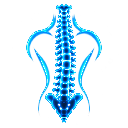
Spine
Your spine supports posture and allows you to bend, straighten, and rotate your body.
Gentle spinal rotations, cat-cow movements, and controlled bending help maintain movement through your back.
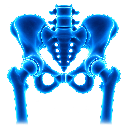
Hips
Your hips play a major role in walking, sitting, standing, squatting, and maintaining balance.
Controlled hip circles, gentle lunges, and hip-opening movements help maintain usable movement.
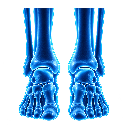
Ankles
Your ankles support walking, climbing stairs, squatting, and maintaining balance.
Ankle circles, controlled heel raises, and gentle knee-over-toe movements help maintain ankle mobility..
MOVE WITH CONTROL, NOT FORCE
Your body is not something you need to fight.
Stretching farther does not automatically mean stretching better. Moving faster does not mean you are improving mobility.
Progress comes from understanding your limits and gradually expanding what your body can comfortably do.
Move slowly enough to stay in control. Breathe naturally. Pay attention to how your muscles and joints respond.
A gentle stretching sensation is different from sharp pain. Never force a joint into a position or push through pain to complete a movement.
Some days your body will move more freely than others. Fatigue, physical activity, and recovery all influence how you feel.
Respect those differences without abandoning the practice.
The objective is not to achieve perfect flexibility. It is to maintain and improve your ability to move safely, comfortably, and confidently.
Work with your body. Not against it.
KEEP MOVING. KEEP LIVING.
Movement is freedom.
The ability to walk, bend, reach, lift, and enjoy the activities you love is something worth protecting.
Stretching and mobility are not about becoming the most flexible person in the room. They are about maintaining the physical abilities that allow you to live an active, independent life.
You cannot stop time. But you can choose how you care for your body as time passes.
Every stretch, every controlled movement, and every minute spent maintaining your mobility is an investment in your future.
You do not have to do everything.
You just have to keep moving.
MAINTAIN YOUR FREEDOM TO MOVE
Your ability to move is one of the most valuable things you have.
It allows you to work, exercise, explore, travel, and enjoy the activities that make life meaningful.
But maintaining that ability requires attention.
Your body responds to what you consistently ask of it. Move regularly, and you give yourself opportunities to maintain strength, flexibility, balance, and coordination.
Ignore movement, and everyday physical tasks can gradually become more difficult.
You do not need extreme workouts or complicated stretching routines. You need to make movement part of the way you live.
Take a few minutes every day to stretch, move your joints, and pay attention to how your body feels.
The goal is not to move like you did twenty years ago. It is to maintain the ability to keep moving well in the years ahead.
Your body carries you through life. Give it the attention it deserves.